
Our Team
Finding the right provider or consultant is an important and personal decision. Learn more about us below.
Finding the right provider or consultant is an important and personal decision. Learn more about us below.
Areas of specialization
Types of Treatment
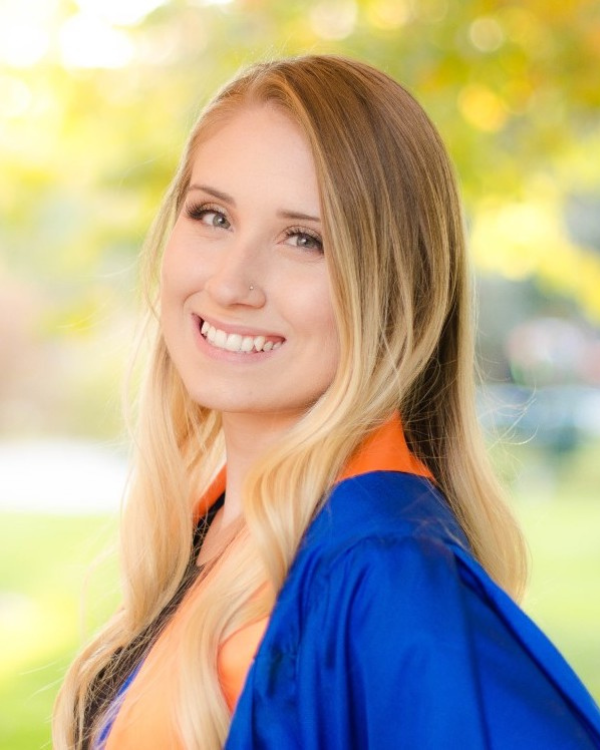
I earned my B.S. in Biology from Boise State University in my hometown of Boise, Idaho. In my free time, I enjoy paddle boarding, camping and podcasts.
Dr. Greenwell is co-located and meets weekly with an interdisciplinary consultation team to ensure your care is coordinated across the full picture of your physical, psychological, and relational health, including:
With your consent, insights from this team help inform a more integrated, coordinated treatment plan
If you have any questions please email us at info@greenwellpsychology.com or call 385-339-0022 for more information, or click here to schedule a free consultation.
Call: (385)339-0022
Email: info@greenwellpsychology.com
Office:
1336 S 1100 E #102
Salt Lake City UT 84105
Business Hours:
M-F 8:30 am – 5 pm
Closed Weekends
Sign up with your email address to receive news and updates.
Sign up with your email address to receive news and updates.
Medical and Mental Health Disclaimer
The information and resources on this website are provided for educational and informational purposes only and do not provide medical or treatment advice. By using any of our services, you agree to and are knowingly assuming all risks associated with using our services. Although we make strong efforts to make sure our information is accurate, Greenwell Psychology cannot guarantee that all the information on this website and or blog is always correct, complete, or up-to-date.
© 2026 Greenwell Psychology & Consulting. Powered by Big Red Jelly.
